Vertigo & Balance Disorders

Vertigo & Balance Disorders Treatment

Vertigo and balance disorders are conditions that cause a sensation of dizziness, spinning, or loss of balance. These problems usually occur due to issues in the inner ear, which plays a crucial role in maintaining body balance. Vertigo can make a person feel as if they or their surroundings are moving or spinning even when they are standing still. Proper diagnosis and treatment are important to prevent falls and improve daily activities.

  1. Common Causes of Vertigo & Balance Disorders:
    • Benign Paroxysmal Positional Vertigo (BPPV): Caused by tiny crystals moving inside the inner ear.
    • Inner Ear Infections: Infections can disturb balance signals sent to the brain.
    • Meniere’s Disease: A condition that causes vertigo, ringing in the ears, and hearing loss.
    • Head Injury: Trauma to the head may affect the balance system.
    • Vestibular Neuritis: Inflammation of the balance nerve in the inner ear.
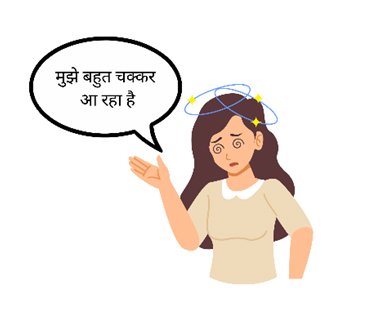
  1. Symptoms of Vertigo & Balance Disorders:
    • Sensation of spinning or dizziness
    • Loss of balance or unsteadiness
    • Nausea or vomiting
    • Difficulty focusing or blurred vision
    • Ringing in the ears (tinnitus)
  2. Diagnosis:
    • Physical examination of ear and nervous system
    • Balance tests such as Dix-Hallpike test
    • Hearing tests if hearing loss is suspected
    • Imaging tests like MRI or CT scan if needed
  3. Treatment Options:
    • Medications: To reduce dizziness and nausea.
    • Vestibular Rehabilitation Therapy: Exercises to improve balance.
    • Canalith Repositioning Maneuvers: Procedures to treat BPPV.
    • Surgery: Rarely required in severe cases.
  4. Prevention and Care:
    • Avoid sudden head movements
    • Stay hydrated and maintain a healthy diet
    • Manage stress and get enough rest
    • Follow doctor-recommended balance exercises
    • Seek medical help if dizziness occurs frequently