Hearing Loss

Hearing Loss Treatment

Hearing loss is a common condition that occurs when a person has difficulty hearing sounds partially or completely. It can affect one or both ears and may develop gradually or suddenly. Hearing loss can result from aging, prolonged exposure to loud noise, infections, or structural problems in the ear. Early diagnosis and proper treatment are important to prevent further damage and improve communication and quality of life.

  1. Common Causes of Hearing Loss:
    • Aging (Presbycusis): Natural age-related decline in hearing ability.
    • Loud Noise Exposure: Long-term exposure to loud music, machinery, or explosions.
    • Ear Infections: Infections in the middle ear can affect hearing.
    • Earwax Blockage: Excessive earwax may block the ear canal.
    • Injury or Trauma: Damage to the ear due to accidents or head injuries.
    • Fixation of Ear Bones (Stapes): A condition where the stapes bone becomes fixed, preventing normal sound transmission.
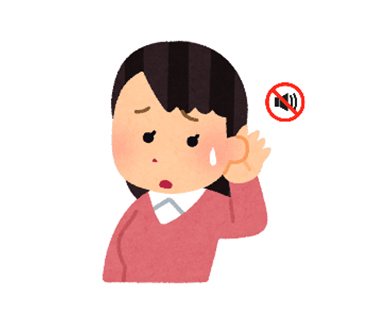
  1. Symptoms of Hearing Loss:
    • Difficulty hearing conversations
    • Frequently asking others to repeat themselves
    • Muffled or unclear sounds
    • Increasing volume of TV or phone
    • Ringing in the ears (tinnitus)
  2. Diagnosis:
    • Physical examination of the ear
    • Hearing tests such as audiometry
    • Tuning fork tests to identify the type of hearing loss
    • Imaging tests if structural problems are suspected
  3. Treatment Options:
    • Medications: Used to treat infections or inflammation.
    • Earwax Removal: Clearing excessive wax from the ear canal.
    • Hearing Aids: Devices that amplify sound for better hearing.
    • Surgery: In some cases, surgery may be required to repair ear structures.
  4. Prevention and Care:
    • Avoid prolonged exposure to loud noises
    • Use ear protection in noisy environments
    • Maintain proper ear hygiene
    • Seek medical attention for ear infections
    • Regular hearing check-ups for early detection