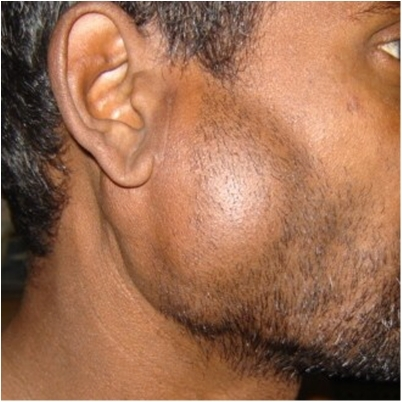
Parotid Swelling

Parotid Swelling Treatment

Parotid swelling refers to the enlargement of the parotid gland, which is the largest salivary gland located in front of and below the ear. This gland produces saliva that helps in digestion and keeps the mouth moist. Swelling of the parotid gland may occur due to infections, blockage of saliva ducts, inflammation, or tumors. In many cases the swelling may cause pain, tenderness, or difficulty while eating. Early diagnosis by an ENT specialist is important to identify the underlying cause and provide proper treatment.

  1. Common Causes of Parotid Swelling:
    • Viral Infections: Conditions like mumps commonly cause parotid gland swelling.
    • Bacterial Infection: Infection of the salivary gland can lead to pain and swelling.
    • Salivary Duct Blockage: Stones in the salivary ducts may block saliva flow.
    • Dehydration: Reduced saliva production can increase the risk of infection.
    • Tumors: Benign or malignant growths may develop in the parotid gland.
  1. Symptoms of Parotid Swelling:
    • Swelling near the ear or jaw area
    • Pain or tenderness in the affected gland
    • Dry mouth or difficulty opening the mouth
    • Pain while chewing or swallowing
    • Fever in case of infection
  2. Diagnosis:
    • Physical examination of the gland
    • Ultrasound or CT scan of the salivary glands
    • Blood tests to check for infection
    • Fine needle aspiration biopsy if a tumor is suspected
  3. Treatment Options:
    • Medications: Antibiotics or anti-inflammatory drugs for infections.
    • Hydration and Massage: Helps improve saliva flow and reduce blockage.
    • Stone Removal: Procedures to remove salivary gland stones.
    • Surgery: In rare cases, removal of the gland may be required.
  4. Prevention and Care:
    • Maintain good oral hygiene
    • Drink plenty of water to prevent dehydration
    • Avoid smoking and tobacco products
    • Seek medical attention for persistent swelling
    • Regular ENT check-ups for early diagnosis