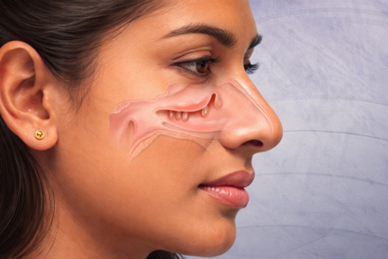
Nasal Polyps

Nasal Polyps Treatment

Nasal polyps are soft, painless, noncancerous growths that develop in the lining of the nasal passages or sinuses. They usually occur due to long-term inflammation caused by allergies, asthma, infections, or immune disorders. Small nasal polyps may not cause symptoms, but larger polyps can block nasal passages, leading to breathing difficulties, sinus infections, and a reduced sense of smell. Proper diagnosis and treatment can help manage symptoms and improve nasal breathing.

  1. Common Causes of Nasal Polyps:
    • Chronic Inflammation: Long-term inflammation in the nasal lining.
    • Allergies: Allergic rhinitis can trigger swelling inside the nose.
    • Asthma: Many people with asthma are more prone to nasal polyps.
    • Chronic Sinus Infections: Repeated sinus infections may lead to polyp formation.
    • Immune System Disorders: Certain immune conditions may increase the risk.
  1. Symptoms of Nasal Polyps:
    • Persistent nasal congestion
    • Runny nose
    • Reduced or loss of sense of smell
    • Frequent sinus infections
    • Post-nasal drip
    • Facial pressure or headache
  2. Diagnosis:
    • Physical examination of the nasal passages
    • Nasal endoscopy to detect polyps
    • CT scan of the sinuses to determine size and location
    • Allergy testing if allergies are suspected
  3. Treatment Options:
    • Medications: Corticosteroid nasal sprays or oral medications to reduce inflammation.
    • Allergy Treatment: Managing allergies to prevent recurrence.
    • Saline Nasal Rinse: Helps keep nasal passages clean and reduce irritation.
    • Endoscopic Sinus Surgery: In severe cases, surgery may be required to remove nasal polyps and restore airflow.
  4. Prevention and Care:
    • Manage allergies and asthma effectively
    • Maintain proper nasal hygiene
    • Avoid irritants such as smoke and pollution
    • Use humidifiers to keep nasal passages moist
    • Consult an ENT specialist if symptoms persist